

Outcome
Discover tactical tips to create outcome.
Agnieszka Topczewska-Pińczuk10 January 2026
Manage your digital content with a CMS built around your business needs.
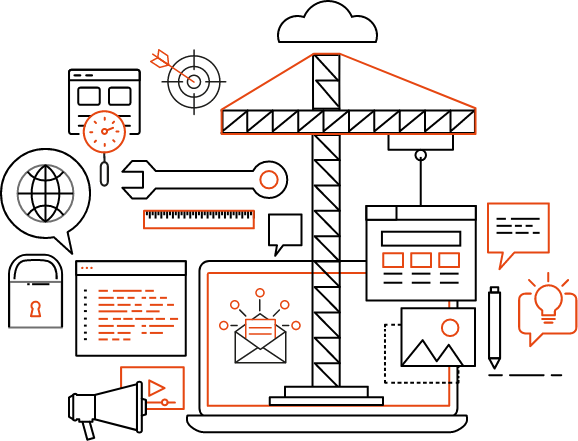
A content management system helps teams create, organise, edit and publish digital content without relying on developers for every update.
For many organisations, content is spread across websites, landing pages, product pages, documents, campaigns and internal platforms. When the tools are difficult to use or poorly connected, content work becomes slow, inconsistent and hard to control.
A well-designed CMS gives marketing, sales, product and content teams a clearer way to manage digital communication. It can support websites, e-commerce content, knowledge bases, document libraries, multilingual content and internal publishing workflows.
SoftwareHut can help you build a custom CMS, implement an open-source platform or develop an enterprise CMS solution that fits your processes, users and technical environment.
Manage content more efficiently with tools designed around your team and digital channels.

Better content management

Stronger content control

Flexible development

Consistent publishing

Reliable security

Customer Responsiveness

Content should be easier to manage
A CMS should help teams publish, update and reuse content without unnecessary technical barriers.
The right setup gives editors more control over daily content work, while developers can focus on building and improving the platform.
We support CMS projects from planning and implementation to further development and maintenance.
Custom CMS development
We can build a CMS around your content structure, workflows, user roles and publishing requirements.

Open-source CMS implementation
We can implement and adapt open-source CMS platforms when they fit your business needs and budget.
Enterprise CMS solutions
We can develop CMS solutions for organisations that need advanced content workflows, integrations and access control.
A standard CMS may be enough when your content structure and publishing process are simple.
The limitations appear when your organisation needs specific workflows, advanced user roles, complex integrations, multilingual content or control over several digital channels. In that situation, a generic setup can slow teams down or force them to work around the tool.
Custom CMS development gives you more control over how content is created, approved, published and maintained. The system can be designed around your business process instead of forcing your team to adapt every step to a standard platform.
SoftwareHut can help you define the right scope, build the required features and connect the CMS with the systems your organisation already uses.
Open-source CMS platforms can be a practical option when your organisation wants a proven solution that can be adapted to specific needs.
Popular platforms such as WordPress, Drupal, Joomla, TYPO3 and Magento can support many types of websites, e-commerce systems and content-heavy platforms. They can also reduce the need to build every function from scratch.
Implementation may include platform selection, configuration, custom development, theme work, plugin development, integrations, performance optimisation, migration and security improvements.
The right open-source CMS should match your content structure, technical requirements, budget, maintenance plans and the skills available within your organisation.
Enterprise CMS solutions support organisations that manage large amounts of content across teams, markets, languages and digital channels.
They can help control publishing workflows, user permissions, structured content, documents, media assets and integrations with other business systems.
An enterprise CMS may be useful when several departments are involved in content creation or when content must follow strict approval, compliance or brand requirements.
SoftwareHut can help design and develop a CMS that supports your organisation’s content operations, technical environment and long-term digital strategy.
How does the software development process work?
We follow a clear process to organise and deliver your CMS project.

Requirements
We analyse your content structure, publishing workflows, user roles, business goals and existing systems.
Development
We build, implement or customise the CMS based on the agreed scope and technical requirements.

Support
We maintain the CMS, resolve technical issues and deliver further improvements as your needs change.
CMS development costs depend on the type of solution, business requirements and level of customisation.
A custom CMS usually requires more development work because the system is built around your specific content processes, users and integrations. This can mean a higher initial investment, but it gives you more control over functionality and long-term development.
Open-source CMS platforms can be more cost-effective because the core tools are already available. In this model, the main cost usually comes from configuration, custom features, integrations, implementation and support.
Enterprise CMS solutions may involve licensing, setup and development costs. The final budget depends on the selected platform, required features, number of users and the amount of work needed from the development team.
SoftwareHut brings together more than 100 software professionals with experience across different technologies and industries. Together, they have delivered over 1000 projects for organisations with a wide range of business and technical requirements.
Our PLM specialists can join your internal team and work within your current processes. When you need a complete delivery team, we can also take responsibility for the entire implementation.
developers
projects delivered
years in business
We use the best tech on the market


What our clients say about us
Take a look at our articles on this subject.
Discover tactical tips to create outcome.
Agnieszka Topczewska-Pińczuk10 January 2026

The importance of prioritizing value backed by measurable data.
Agnieszka Topczewska-Pińczuk06 August 2024

The basic advantages and disadvantages of Custom Software versus Off-the-Shelf Software.
Marcin Bartoszuk04 June 2024

What is rolling wave planning and how can it benefit you? How to deal with the release value? Find out more.
Agnieszka Topczewska-Pińczuk02 January 2023

Containerization is based on the idea of isolated containers to run apps more efficiently. Learn more about the pros and cons, usage and differences between virtual machines.
Roman Charchuła21 December 2022
Do you have any questions?
We have answered some of the most common questions about CMS development to help you plan your project.
A CMS, or content management system, is software used to create, edit, organise and publish digital content.
It can support websites, blogs, product pages, document libraries, knowledge bases, internal portals and other content-driven platforms. A CMS gives non-technical users more control over content updates while keeping the system structured and manageable.
The required resources depend on the type of CMS and the level of customisation.
An open-source CMS implementation may require less development work when standard features match your needs. A custom or enterprise CMS usually needs more planning, design, development, testing and long-term maintenance.
The right approach depends on your content workflows, integrations, user roles and expected scale.
A CMS can support advanced requirements through custom workflows, access permissions, structured content, integrations and publishing rules.
For example, an organisation may need approval paths for different teams, multilingual content, integration with e-commerce tools, document management or custom content models. These requirements can be handled through configuration, custom modules or a bespoke CMS.
CMS software can make content work faster, more consistent and easier to control.
It helps teams update digital channels, manage permissions, reuse content and reduce dependency on developers for routine changes. A well-planned CMS can also support brand consistency, security, scalability and better cooperation between content, marketing and technical teams.